
Substance useResidential 3.1, 3.3 & 3.5
Residential Treatment Program
Structured and supportive care for recovery, at three clinically managed residential levels: 24-hour, recovery-focused treatment in a community-based setting.
Which level fits is set by the assessment, not by what happens to be free. All three run in-house, so stepping down to partial hospitalization later does not mean a new provider.
24 hours
Supervision, every day of the program
3.1
Clinically managed low-intensity
3.3
Population-specific high-intensity
3.5
Clinically managed high-intensity
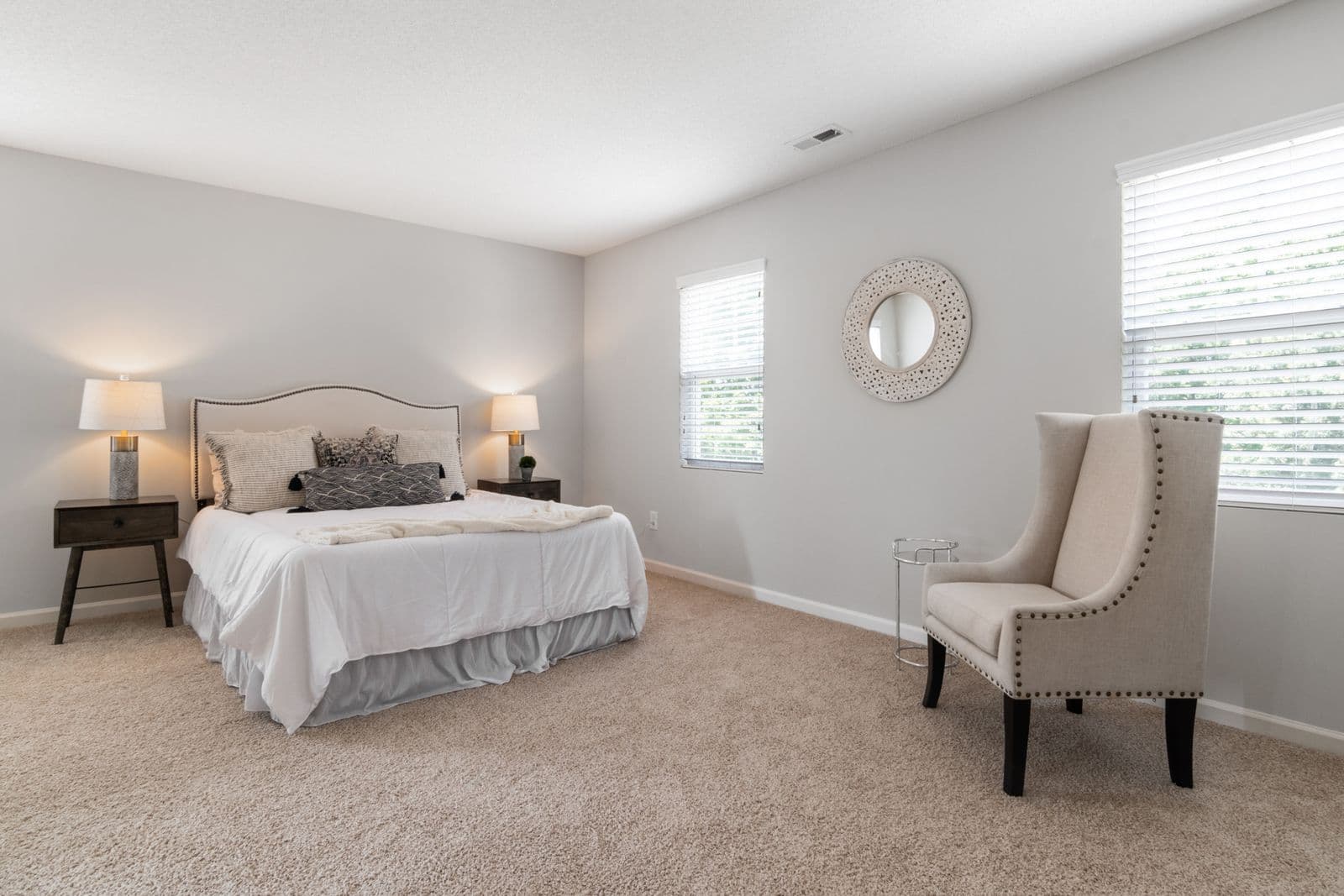
Where
A place to stay
community-based, not a hospital ward
Which level, and why
All three are clinically managed and run 24 hours a day. What differs is the intensity of the programming, and who it is built around.
Level 3.1: clinically managed low-intensity
For people who need structured living with therapeutic support. 24-hour recovery-focused residential services in a community-based setting, with life skills training, group counseling and peer support to build independence.
Level 3.3: population-specific high-intensity
For people with cognitive, developmental or psychiatric needs. The same intensity as 3.5, delivered at a slower pace and in more concrete terms, focused on stabilization, skill-building and long-term wellness.
Level 3.5: clinically managed high-intensity
For people whose recovery keeps being undone by their surroundings. Intensive clinical programming through the day in a therapeutic community, for those who need to step out of their environment and into full-time treatment.
A day of residential care, at every rung of the scale.
The published rate is $156.34 at level 3.1 and $281.12 at 3.3. What you actually pay is set against your household size and income under the federal poverty guidelines, before you are admitted rather than after.
Clients are never denied services because of an inability to pay current or past fees.
Estimate your own fee- ≤ 100%100% discountFreeFree
- 101–133%90% discount$15.63$28.11
- 134–150%85% discount$23.45$42.71
- 151–185%75% discount$39.08$70.28
- > 185%No discount$156.34$281.12
Full fees are $156.34 for level 3.1 and $281.12 for 3.3. Level 3.5 is set on the same sliding scale. Call 410-521-8000 for its current rate. Insurance is billed first where you have it, and the scale applies to what is left.
What the first three weeks look like
No patient is placed in a program before an assessment, and no assessment happens before we have told you what it will cost.
Days 1–2
Intake call and benefits check
A coordinator confirms eligibility, verifies your insurance, and schedules your appointment. If you are unable to pay, a sliding-scale discount is applied and you are told the cost before anything is scheduled.
Week 1
Clinical assessment
A licensed clinician completes the biopsychosocial evaluation, covering history, medications and risk screening, then issues a provisional diagnosis with an ASAM level of care.
Weeks 2–3
Treatment plan in motion
You start with the prescriber and therapist who will stay with you, and the plan is reviewed at every update as your level of care steps up or down.
Where people step down to
Moving between these does not mean a new provider or a second intake.
Partial Hospitalization Program
Intensive, integrated care available up to seven days a week, without full-time inpatient admission, for people who are medically stable and have a supportive home to return to each evening.
Learn moreIntensive Outpatient (IOP)
Structured therapy and recovery work that fits around daily life, aimed at abstinence and positive behavioral change, with employment readiness and vocational training built in.
Learn moreOutpatient Program (OP)
Continuing care after intensive treatment: group sessions three to five times a week, an hour each, for people who have stabilized in early recovery.
Learn moreMedication-Assisted Treatment
Medication combined with counseling and behavioral therapy for opioid use disorder: Suboxone (buprenorphine and naloxone), plus other FDA-approved options.
Learn more
One appointment
Start with an assessment
- The diagnosis
- The level of care
- What it will cost
Benefits verification is free, whether or not you go on to book.
Telehealth
Psychiatry and therapy by secure video anywhere in Maryland.
Confidentiality
Substance use records protected under 42 CFR Part 2.